


Built with child therapists · Ages 3–8
Practice for big feelings, in stories where they choose what’s next.
Your child notices the feeling, names it, and picks what to try, while you read together.






- ✦Built with child therapists and educators
- ✦Draws on CBT and play therapy
- ✦For ages 3–8
- ✦English and Spanish
How a story works
Your child makes the choices. You’re right there for them.
Your child picks a character and steers the story. At the key moments, they decide what happens next, and you get to talk about it together.
 1
Notice it and name it. When a character’s feelings start to build, the story slows down. Your child reads the clues in their face and words, and picks a name for the feeling.
 2
Choose what to try next. Then your child decides what the character says or does, and sees where it leads. Every choice is allowed, even “I’m not ready yet,” so it’s safe to try one they’d never pick in real life.
 3
Wonder what else could happen. At the end, the story asks what a different choice would have done, and you can go back and find out together. You can also add your own option when a different one fits your child better.
Start here
When Feelings Get Big
Notice big feelings and choose what to do next
Big feelings get easier to handle when a child can notice them, name them, and try out what to do next. Across these stories, children practice reading their body's signals, finding words for feelings, rethinking unkind thoughts, and choosing how to respond.
What your child practices
- Naming feelings
- Noticing two feelings at once
- Reading body signals
- Spotting unhelpful thoughts
- Kind self-talk
- Pausing before reacting
- Choosing how to respond
- Checking on a friend
- Checking for tired or hungry
- Making a repair
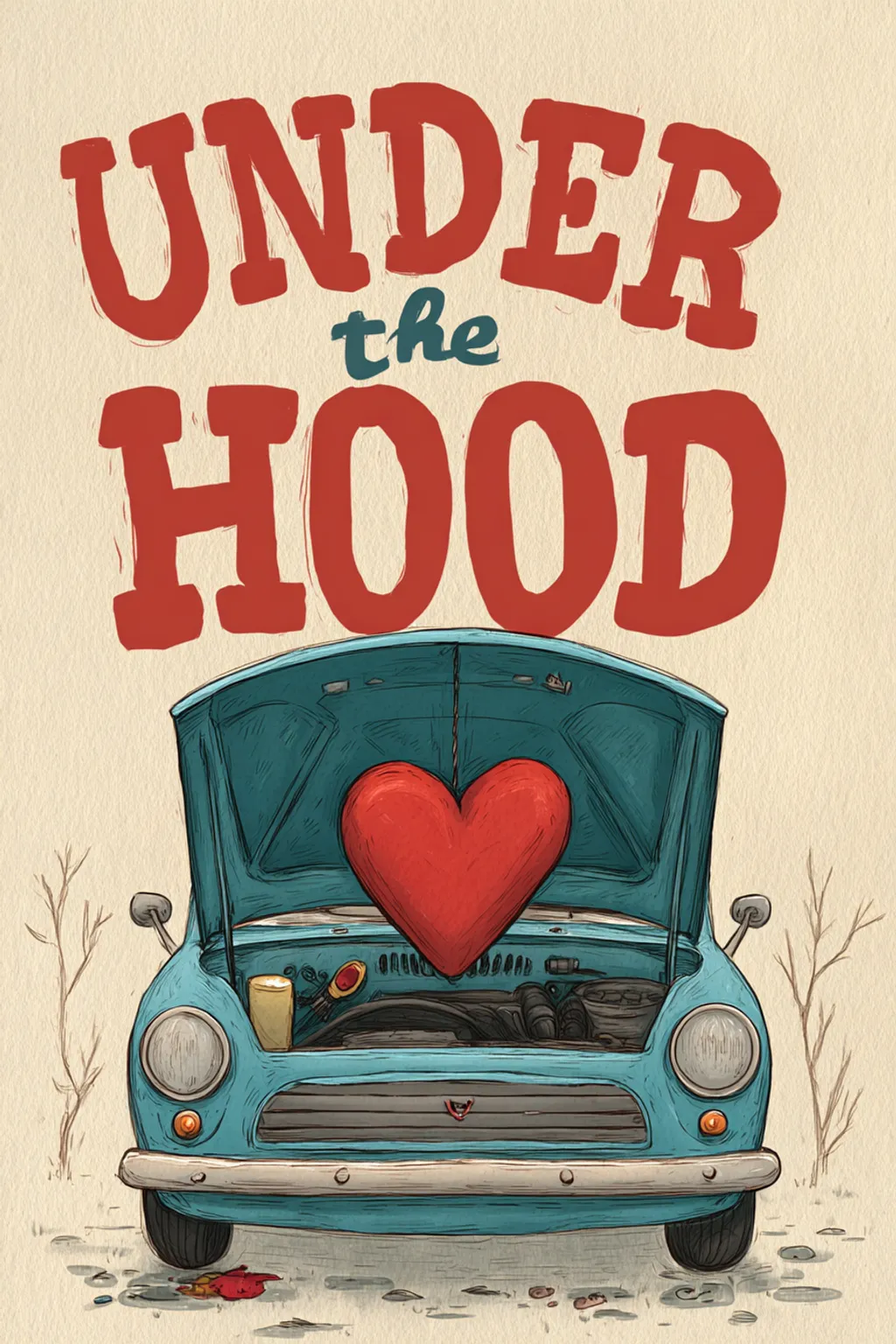
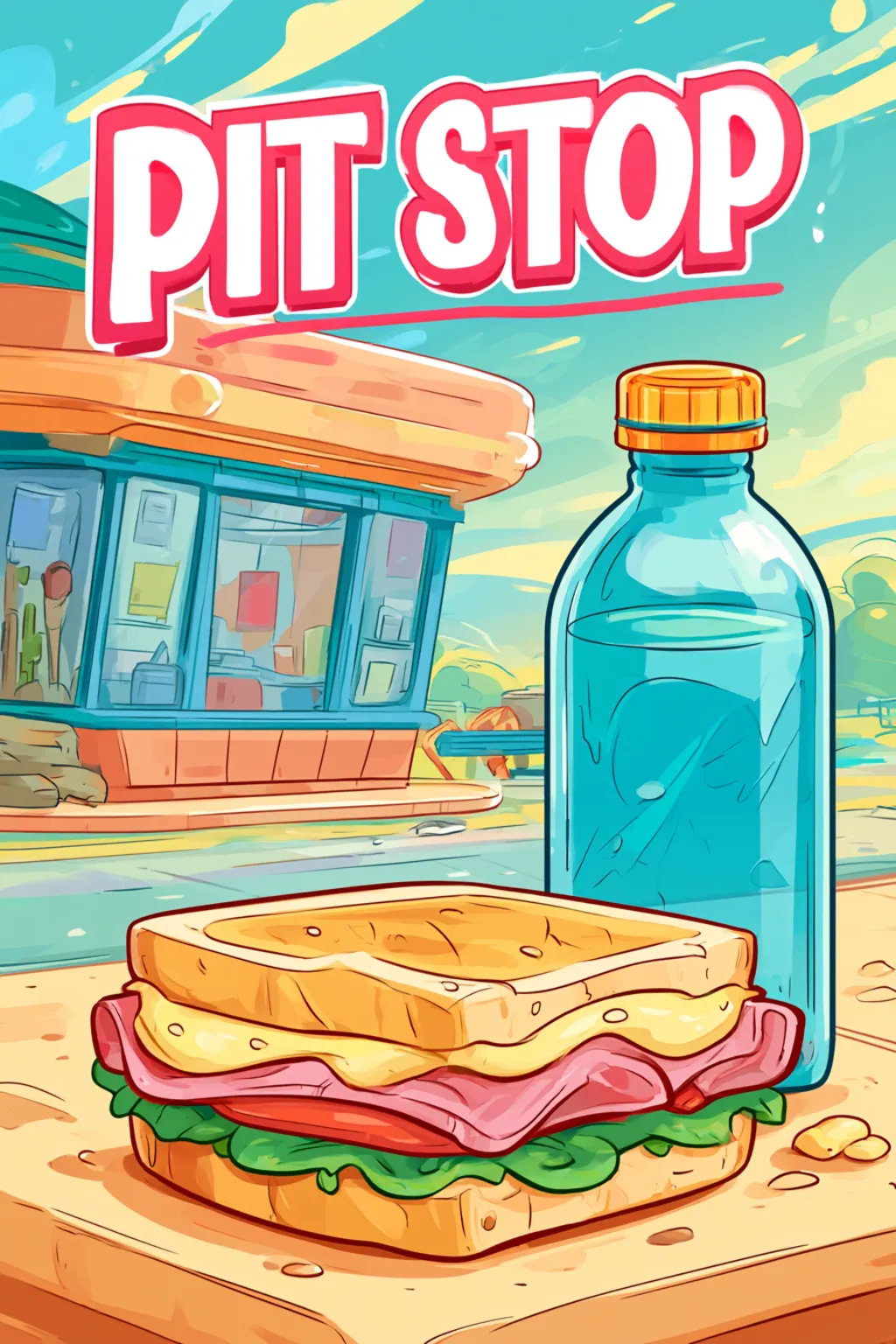
More story packs
Big feelings show up everywhere.
A first day, a switch from playtime to bedtime, a toy that’s hard to hand over. Each pack is a set of stories grouped around what your child may be working on.


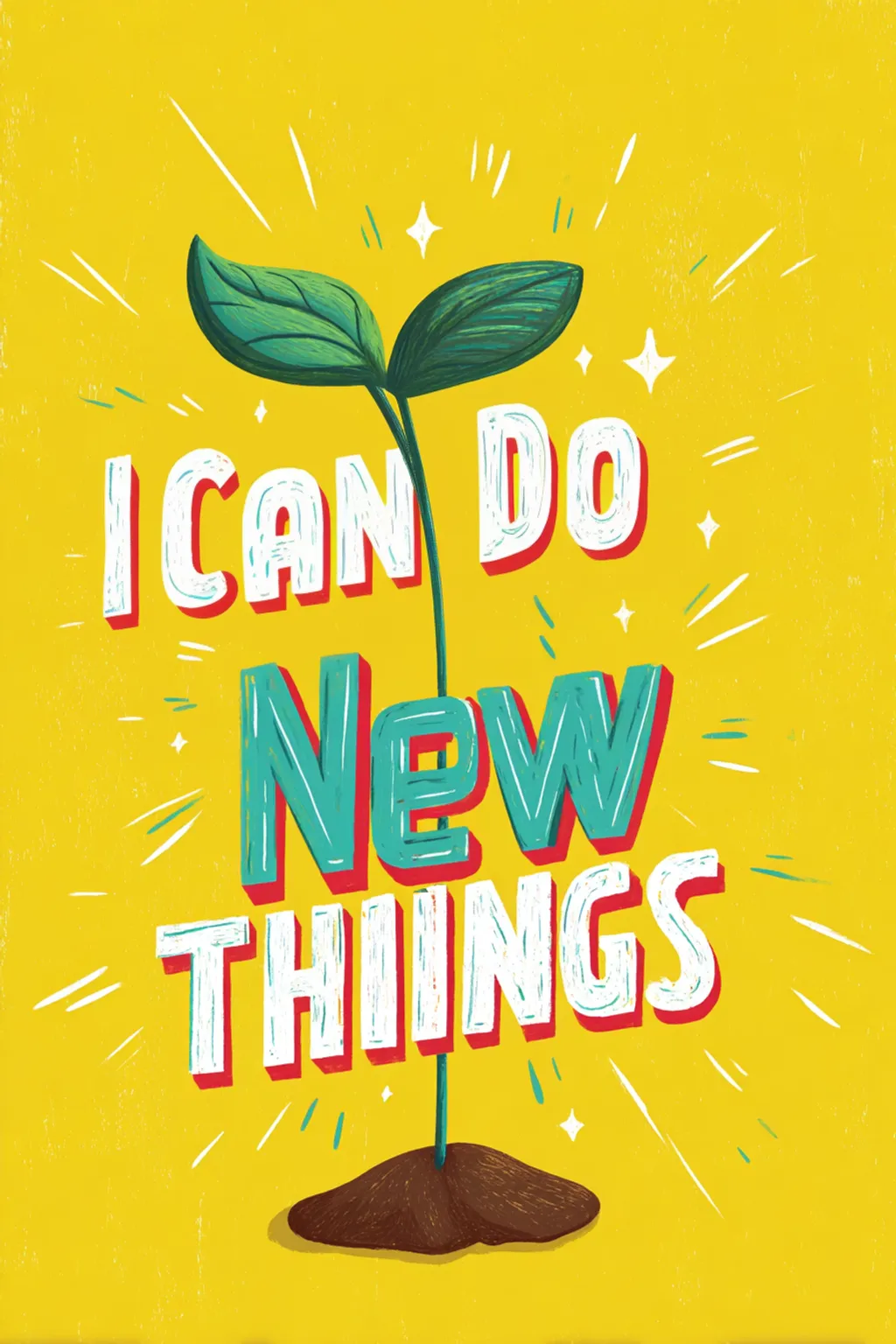
Courage to Face Hard Things
Children practice finding courage when something feels big, whether that's a first day, an unfamiliar activity, a tricky game, or a moment with friends that needs honesty. Across these stories, they notice their feelings, try again after setbacks, and explore what helps them keep going.


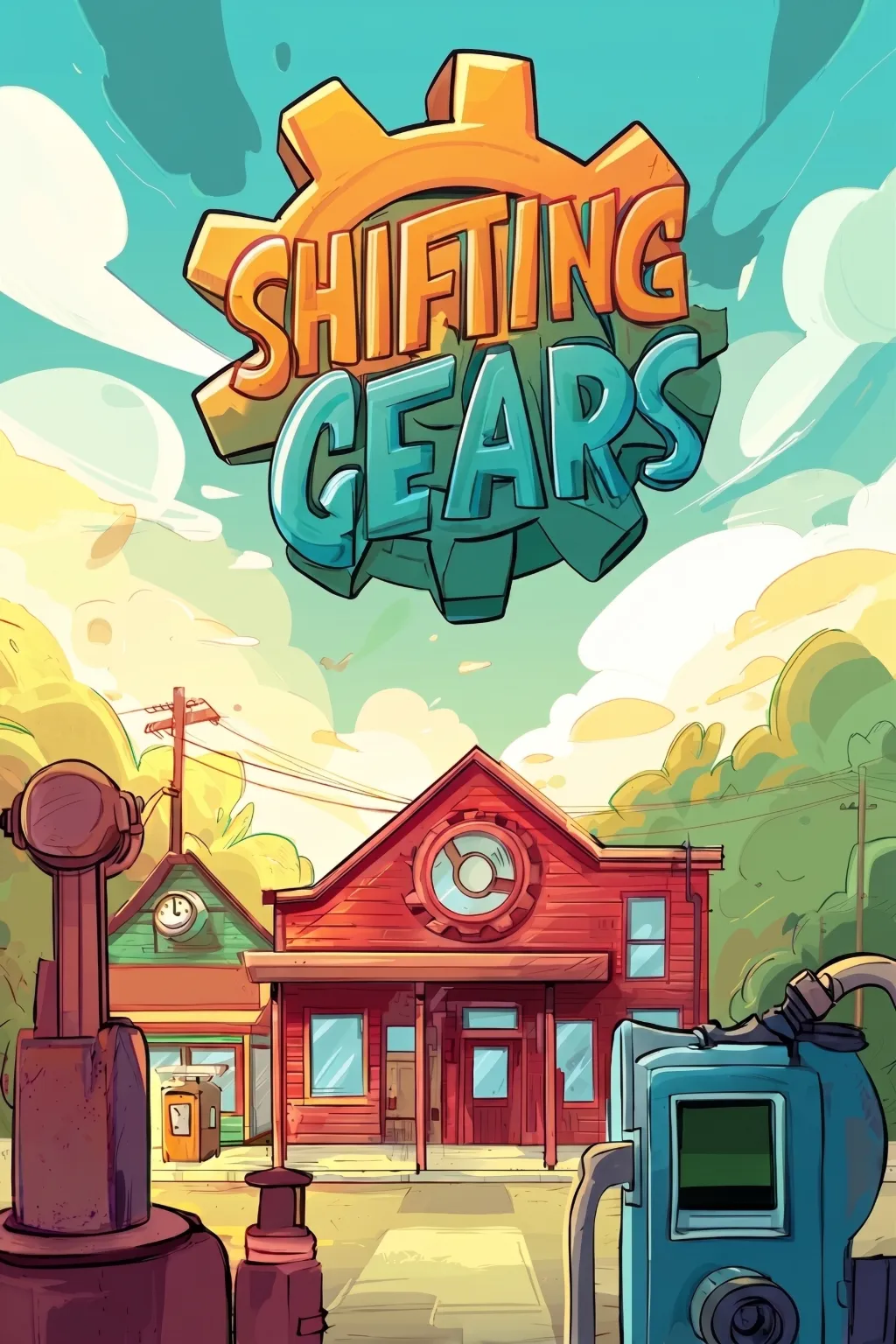
Transitions are Hard
Moving from one thing to the next can feel like a lot at once. In these stories, your child practices noticing big feelings and choosing a small next step through hard switches, new friend groups, busy new routines, and greeting or saying goodbye to people.
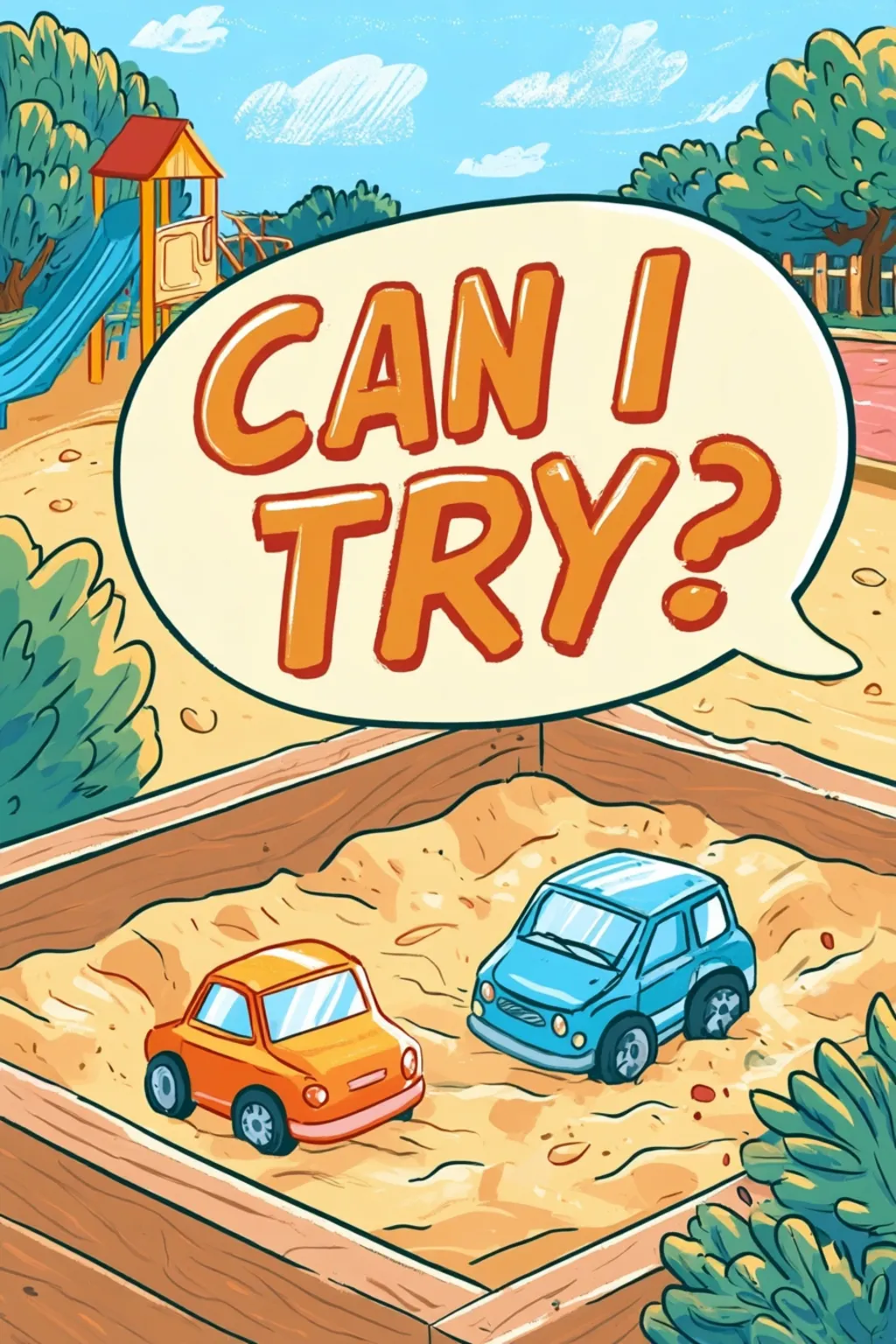
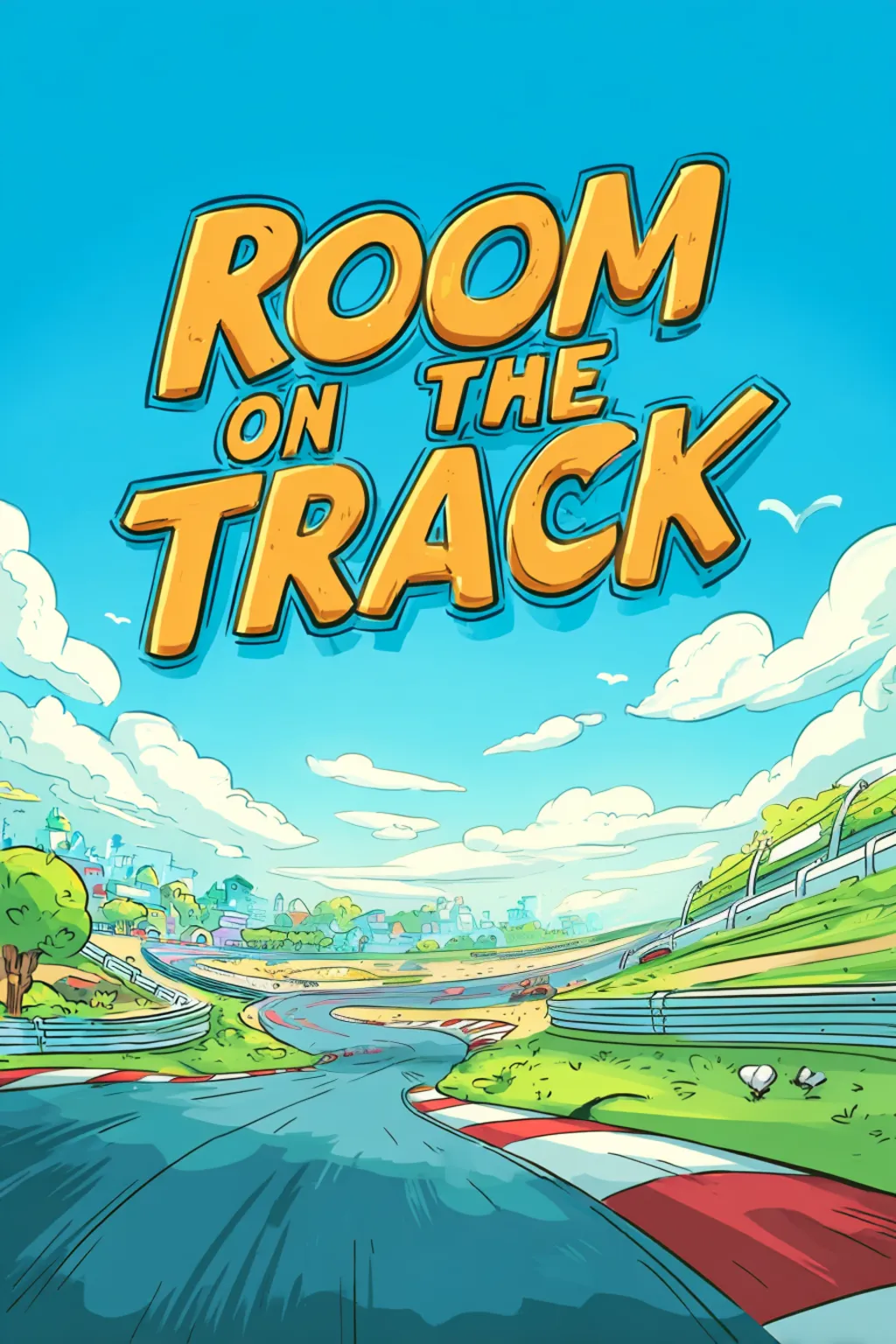
When it's Hard to Share
Sharing is hard, and this pack gives children room to practice it. They explore the pull to hold on, the sting of a skipped turn, and the pang of a friend getting close to someone new, then choose how to settle the feeling and what to do next.
Or get every story with Unlimited.
All 17 packs, 70+ stories, and new ones as they’re released.
7-day free trial for new subscribers on the yearly plan.
from $11.24 / month, billed yearly
Subscribe in the Wanderly app
What families and clinicians say
Practice when it’s calm, for when it isn’t
“As a parent, I love the ability to use the app as a tool to connect with my son. He is an amazing kid who struggles with big feelings and his reactions to them. The stories in Wanderly give us a way to talk about dealing with those feelings when things are calm and we are connected. When he is in a hard moment, we can use language he has chosen from Wanderly to help him. It’s really such a beautiful thing to have another way to connect with my kid in a low pressure situation.”
Eliza
Mom of 2
Try a story
Read one together tonight.
Download the Wanderly Stories app, pick a story, and let your child choose what happens next. Buy a single pack, or get every story with a subscription.
Try every story with a 7-day free trial on the yearly plan.